Why Clothes Shrink at Dry Cleaners and How They Can Be Fixed

"My shirt came back from the dry cleaner and the sleeves feel shorter."
"My wool sweater fits tighter across the chest."
"My lined dress suddenly pulls at the seams. It is frustrating because dry cleaning is supposed to protect clothes, not change their shape."
Professional dry cleaning reduces the risk of shrinkage a vast majority of the time, because trained technicians using commercial machines are doing the work.
But even the best dry cleaner nearby cannot 100% guarantee no shrinkage. This business is both art and science.
Some garments are unstable before they reach the counter. Bargain brands or different lots of fabric introduce unseen variables. Others react more sensitively to heat, moisture, mechanical action, or poor construction. Shrinkage happens, and a skilled cleaner may be able to relax the fibers and reshape the garment.
Success depends on what shrank, why it shrank, and how much the fibers changed.

Dry cleaning is gentle, but it is not shrink proof
The word “dry” can be misleading. Dry cleaning does not mean the garment stays completely dry. It means the cleaner uses a liquid solvent instead of a traditional water wash. The solvent removes oils and many stains with less swelling of fibers than water would cause.
That lower fiber swelling is one reason dry cleaning works well for wool, silk, rayon, lined garments, structured jackets, and other pieces that may not survive a home washing machine.
Still, garments go through real physical steps:
They get spot cleaned by the technician
They are placed in a machine featuring a wide array of possible settings for run time and heat.
They are agitated during cleaning, which is necessary rubbing to get them clean.
They are dried or finished with controlled heat.
They may be steamed, pressed, or shaped afterward.
Each of those steps can affect a sensitive fabric. Most quality dry cleaners manage time, temperature, moisture, and motion carefully. But even careful cleaning can reveal a weakness that was already built into the garment.
A common example is a shirt that was cut and sewn while the fabric was under tension. It may look fine on the rack and fit well the first few times it is worn. Once the fibers relax during cleaning, the garment returns closer to its natural size. That can make it seem like the dry cleaner caused all of the shrinkage, even when the fabric had simply been waiting to release.
This is why a dry cleaner shrinks shirt complaint is not always as simple as one bad cleaning cycle. Sometimes the process caused the shrinkage. Sometimes it exposed poor preshrinking, loose fabric construction, or a care label that did not match the garment’s real behavior.
The main reasons clothes shrink at a dry cleaner
Shrinkage usually comes from one of several causes. In many cases, more than one factor is involved.
Heat can make fibers contract
Heat is one of the biggest shrinkage triggers. It can come from drying, steam finishing, pressing, or spotting work. Natural fibers often react more strongly than synthetics.
Wool is a classic example. Wool fibers have a scale-like surface. With heat, moisture, and movement, those scales can lock together and make the fabric tighter and smaller. Cotton can shrink too, especially if it was not fully preshrunk before the garment was made.
Heat does not have to be extreme to matter. A slightly sensitive fabric may only need warm steam or pressing pressure to change shape.
Moisture can swell and relax fibers
Dry cleaning uses solvent, but moisture can still be part of the process. Some stains require water-based spotting. Some garments need steam to restore shape. Humidity in finishing can also affect fibers.
When fibers absorb moisture, they may swell, relax, and settle into a smaller size. Rayon, viscose, silk, wool, and cotton can all be sensitive in different ways. Rayon is especially tricky because it can lose strength when wet and distort if handled roughly.
A garment may also contain multiple materials. A cotton shell, rayon lining, wool trim, synthetic thread, and fusible interfacing may all react differently. If one layer changes and another does not, the whole garment can pucker, twist, or tighten.
Agitation can cause felting and distortion
Dry cleaning machines use controlled movement to help the solvent pass through fabric and remove soil. That motion is usually gentler than a home washer, but it is still movement.
Wool knits, loose weaves, delicate embellishments, and loosely constructed fabrics may shrink or distort if they get too much mechanical action. Knits are especially prone to shape change because their looped structure can tighten, relax, or stretch depending on how they are handled.
For a sweater, shrinkage may show up as a smaller body, shorter sleeves, or a denser feel. For woven garments, it may appear as a shorter hem, puckered seams, or a lining that suddenly hangs lower than the outer shell.
Fabric manufacturing can set the garment up to shrink
Many shrinkage problems start long before the cleaner sees the garment. Fabric is often stretched during spinning, weaving, knitting, dyeing, finishing, cutting, and sewing. Better manufacturers preshrink or stabilize the fabric before turning it into clothing.
If they skip that step, the garment may shrink during its first professional cleaning.
This type of shrinkage is called progressive shrinkage when it happens in stages across multiple cleanings. A garment may lose a small amount the first time, then a little more the next time. The owner may not notice until the fit changes enough to be obvious.
Construction also matters. Linings, interfacings, shoulder pads, waistbands, elastic, glued details, and decorative trims can all behave differently from the main fabric. A garment can look “shrunk” even if only one component changed.
Care labels are not always perfect
Care labels help, but they are not foolproof. In the United States, clothing labels typically give at least one recommended care method. That does not mean the method covers every stain, every trim, or every real-world condition.
A dress labeled “dry clean” might have a trim that cannot tolerate solvent. A shirt labeled “machine wash” might shrink badly in water. A wool coat may tolerate dry cleaning but not heavy steam pressing.
Professional cleaners use labels as a starting point, then inspect the garment. Experienced cleaners may test dyes, examine trims, and look for fabric instability before cleaning. Even then, hidden weaknesses can remain.
How a dry cleaner can try to fix shrinkage
Not every shrunken garment is ruined. If the fibers have tightened but not permanently felted, scorched, bonded, or distorted, the cleaner may be able to improve the fit.
The repair process is usually less about “stretching it back” and more about relaxing the fibers, restoring shape, and controlling the finish.
The cleaner starts with an inspection
A good cleaner will first examine the garment closely. They may compare it with:
Original measurements, if available
Matching parts of the garment, such as both sleeves
Seam allowances and construction
The care label and fiber content tag
Areas that show tension, puckering, or felting
If the customer has a photo of the garment before cleaning, that can help. So can noting where the fit changed: sleeve length, overall length, waistband, shoulders, chest, collar, or lining.
The cleaner needs to know whether the garment truly shrank or whether another issue is creating the fit problem. A twisted seam, tightened lining, or distorted knit can feel like shrinkage even when the full garment did not uniformly get smaller.
Steam finishing can relax some fabrics
Steam is one of the main tools used to correct light shrinkage. Controlled steam can relax fibers enough for the cleaner to gently ease the garment back toward its previous dimensions.
This is not the same as pulling hard on wet fabric. Too much force can distort seams, damage fibers, or make the garment look misshapen. Skilled finishing uses a careful balance of moisture, heat, tension, and drying.
Steam can work well for mild shrinkage in wool, some cottons, and some knits. It may not work much at all if the fibers have felted or the fabric structure has permanently changed.
Blocking can restore shape to knits and wool
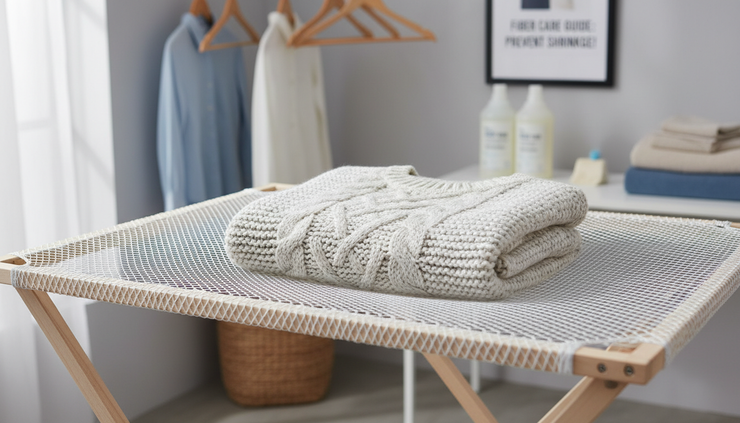
Blocking is a shaping method often used for sweaters, knits, and some wool garments. The cleaner gently relaxes the garment, lays it out, measures it, and holds it in the desired shape while it dries. It is not someone stretching the heck out of the thing. It is done with care using pins and rulers to reset the item to the proper size while it dries.
Blocking can help with:
Sleeves that have shortened slightly
Sweater bodies that have tightened
Uneven hems on knits
Garments that lost their original outline
The best results come when the garment has only minor or moderate shrinkage. If a wool sweater has become thick, stiff, and child-sized, blocking is unlikely to restore it fully. At that point, the fibers may have felted together.

Tensioning equipment can help certain garments
Some cleaners use professional tensioning forms for shirts, pants, jackets, or knits. These machines apply controlled tension while steam and air shape the garment.
For example, a shirt that lost a small amount in the sleeves may respond to careful sleeve tensioning. Pants that tightened slightly in length may improve with proper finishing. This kind of work requires judgment because too much tension can create shine, seam stress, or distortion.
A cleaner may need more than one finishing cycle to get the best result. They may also stop if the fabric shows signs of damage.
Re-cleaning or wet treatment may help in select cases
This sounds surprising, but sometimes a garment needs another controlled treatment to relax. A cleaner may use a professional wet-cleaning process, conditioning bath, or careful re-cleaning method to release tension in the fibers.
This is not something to try casually at home. A shrunken silk blouse, rayon dress, or wool sweater can get worse with a sink soak, hot water, or rough handling. Once dyes bleed, linings distort, or wool felts, the repair becomes much harder.
Professional cleaners decide based on fiber content, construction, dye stability, and the type of shrinkage.
What can and cannot be fixed
The chances of fixing a shrunk garment depend on the type of fiber and the severity of the change.
More likely to improve | Less likely to fully recover |
Light shrinkage in wool or cotton | Severe wool felting |
Knits that tightened but stayed soft | Fabric that became stiff and dense |
Sleeves or hems that lost a small amount | Garments that shrank several sizes |
Shape distortion from finishing | Heat-damaged or scorched fibers |
Relaxed seams or puckering | Fused layers that bubbled or separated |
If a shirt shrinks slightly in length, a cleaner may improve it with steam and tension. If a wool sweater felts, improvement may be limited. If a lining shrinks while the outer fabric stays the same, a tailor may need to adjust the lining rather than stretch the whole garment.
A shrunk shirt, clothes shrink problem should always be looked at garment by garment. The fiber content, weave, construction, and cleaning history all matter.
There is also a difference between restoring appearance and restoring exact measurements. A cleaner may make the garment wearable again without returning it to its original factory size. That can still be a good outcome, especially for favorite pieces.
How to reduce shrinkage risk before the next cleaning
Most shrinkage prevention comes down to communication, inspection, and choosing the right care method.
Start by pointing out anything the cleaner should know. If the garment is new, expensive, vintage, handmade, altered, or already tight, say so. If it has shrunk before, mention that too.
Before dropping off a garment, check for:
Fiber content, especially wool, rayon, viscose, silk, linen, and cotton
Care label instructions
Loose knits or open weaves
Delicate trims, beads, leather, suede, or glued details
Previous alterations
Tight linings or puckered seams
For pieces where fit matters, measurements can help. Measure sleeve length, body length, waist, inseam, or chest before cleaning. A quick photo on a hanger or laid flat can also make it easier to compare later.
It also helps to choose a cleaner who asks questions. A careful cleaner will not treat every garment the same way. They may recommend dry cleaning, wet cleaning, hand finishing, reduced heat, air drying, or no cleaning at all if the risk is too high.
At home, avoid trying to fix professional-clean-only garments with hot water, a dryer, or heavy stretching. That can turn a fixable problem into a permanent one. If the garment comes back smaller, keep it out of the dryer and contact the cleaner promptly.

What to do if a garment comes back smaller
If a cleaned garment does not fit the way it did before, act quickly and calmly. The sooner the cleaner sees it, the better the chance of figuring out what happened.
Bring the garment back without washing, steaming, ironing, or stretching it at home. Explain exactly what changed. For example, “the sleeves are shorter,” “the waistband is tighter,” or “the lining hangs below the hem.” Specific details help more than a general complaint.
If you have old measurements or photos, bring them. If not, the cleaner can still inspect the garment for signs of shrinkage, felting, seam tension, or fabric distortion.
A responsible cleaner should be willing to review the issue and explain the options. They may attempt blocking, steaming, finishing, or another corrective process. If the problem appears to come from a manufacturing flaw, they may explain how the fabric or construction reacted. If the cleaning process caused the issue, the cleaner should address that as well.
The key is to give the garment the best chance of recovery. Some shrinkage can be eased. Some cannot. But a skilled dry cleaner has tools and techniques that go far beyond home ironing or soaking.
Clothing shrinkage is annoying, but it is not always the end of the garment. With the right inspection, careful fiber relaxation, and professional reshaping, many pieces can come back closer to their original fit. The best protection is a cleaner who treats garments individually, and a customer who speaks up early when fit, fabric, or value matters.